


Table of Contents

Paraiba tourmaline is one of the rarest and most distinctive varieties of tourmaline, prized for its vivid blue, green and blue-green colors that can appear almost neon. Its remarkable color is associated with the presence of copper, a characteristic that distinguished the material first discovered in Brazil’s Paraíba region in the late 1980s.
Today, copper-bearing tourmalines associated with the Paraiba trade name are found primarily in Brazil, Mozambique and Nigeria, but their origin, color, clarity, size and overall quality can have a significant effect on rarity and value. In this guide, we explain what Paraiba tourmaline is, where it comes from, why it can be so valuable, how Brazilian and African material differ, what to look for when buying one, and how to evaluate a Paraiba for jewelry.
What is the Paraiba Tourmaline Gemstone?
Paraiba tourmaline is a rare variety of copper-bearing tourmaline celebrated for its exceptionally vivid blue, green and blue-green colors. The gemstone belongs to the tourmaline mineral group, which occurs naturally in a remarkable range of colors depending on its chemical composition.
What distinguishes Paraiba tourmaline is the presence of copper as an important coloring agent, often together with manganese. This unusual chemistry can produce the intensely saturated blue-to-green colors for which fine Paraiba tourmalines are famous. Their appearance is often described as “neon” or “electric” because exceptional stones can display remarkable color intensity even in relatively small sizes.
The first Paraiba tourmalines were discovered in Brazil in the late 1980s. Copper-bearing tourmalines were later discovered in Nigeria and Mozambique, expanding the sources available to collectors and jewelry buyers. Origin can be an important consideration when evaluating a Paraiba, particularly because fine Brazilian material is exceptionally scarce.

Color alone, however, cannot establish that a gemstone is a natural Paraiba tourmaline or determine its geographic origin. Similar-looking gemstones and other tourmalines exist, so valuable stones should be evaluated using appropriate gemological testing and, when warranted, accompanied by a report from a respected independent laboratory such as GIA.
Origins and Sources of the Paraiba Tourmaline Gemstone

The story of Paraiba tourmaline begins in the Brazilian state of Paraíba, where miner Heitor Dimas Barbosa and his team spent years exploring the hills near São José da Batalha. Their efforts led to the discovery of extraordinarily vivid copper-bearing tourmalines in the late 1980s. The intense blue and green colors of these gemstones were unlike those typically seen in tourmaline and quickly attracted international attention.
The original Brazilian deposits were small, and production of fine material was limited. This scarcity—combined with the remarkable color of the finest stones—helped establish Brazilian Paraiba tourmaline as one of the most sought-after varieties of tourmaline. Exceptional Brazilian stones remain particularly prized by collectors and fine-jewelry buyers.
Copper-bearing tourmalines were subsequently discovered in Nigeria and, later, Mozambique. These discoveries were significant because some African stones displayed the same vivid blue-to-green colors associated with the original Brazilian material. Today, Paraiba tourmalines in the jewelry market may therefore originate from Brazil, Mozambique or Nigeria.

Brazilian and African Paraiba tourmalines can overlap considerably in appearance, so geographic origin should not be determined from color alone. For significant stones, a respected independent gemological laboratory can analyze the gemstone and, when sufficient evidence is present, provide an opinion on geographic origin.
Origin is only one factor in evaluating a Paraiba tourmaline. Color, saturation, clarity, cut, carat weight and overall appearance also influence desirability and value. Nevertheless, fine Brazilian Paraiba tourmalines are especially scarce, and exceptional examples can command significant premiums in the market.

Paraiba Tourmaline Meaning and Symbolism
Paraiba tourmaline is admired primarily for its extraordinary color and rarity, but like many gemstones, it has also acquired symbolic meanings among collectors and those interested in crystal traditions. Blue and blue-green gemstones are commonly associated with calmness, clarity, creativity and communication, while tourmaline more broadly has been associated with inspiration and confidence.
Tourmaline is also one of the traditional birthstones for October, making Paraiba tourmaline an especially rare and distinctive choice for an October birthstone gift.
In crystal-healing and metaphysical traditions, blue tourmalines are sometimes associated with the throat chakra, positive energy, emotional balance and creative inspiration. These associations are spiritual or cultural beliefs rather than scientifically established properties of the gemstone.
From a gemological perspective, what makes Paraiba tourmaline exceptional is its copper-bearing composition, vivid coloration, rarity and geographic history rather than any proven healing or energy-related effects.

Are Paraiba Tourmalines Expensive?
Yes. Fine Paraiba tourmalines can be among the most valuable varieties of tourmaline, particularly when they display the vivid blue-to-green colors for which the gemstone is famous. Their value is driven by a combination of exceptional color, rarity and limited availability of fine-quality material.
Color is one of the most important factors affecting Paraiba tourmaline value. Stones with vivid, strongly saturated electric blue, neon blue, turquoise-blue and blue-green colors are generally the most sought after. A smaller Paraiba with exceptional color can therefore be considerably more desirable than a larger stone with weaker color.
Origin can also influence value. Paraiba tourmalines are found in Brazil, Mozambique and Nigeria, but fine Brazilian material is particularly scarce and is often highly prized by collectors. For an important gemstone represented as Brazilian, an independent laboratory report providing an opinion on geographic origin can add valuable assurance.
Clarity, cut and carat weight also matter. Paraiba tourmalines frequently contain inclusions, and attractive stones do not necessarily need to be completely inclusion-free. Instead, buyers should consider how clarity affects the gemstone's beauty, transparency and durability. A well-executed cut can further enhance the stone's color and brilliance.
Carat weight becomes particularly important when comparing Paraiba tourmalines of otherwise similar quality. Fine stones in larger sizes are considerably harder to find, so size can have a significant effect on value. Ultimately, however, Paraiba tourmalines should be evaluated as a combination of color, origin, clarity, cut, carat weight and overall visual appeal rather than by any single characteristic.
Paraiba Tourmaline in Jewelry
Paraiba tourmaline's vivid color makes it particularly striking in fine jewelry. Its electric blues, turquoise tones and blue-greens can create a dramatic contrast with diamonds and precious metals, allowing even relatively small Paraiba tourmalines to become the visual focal point of a design.
Paraiba tourmaline measures approximately 7 to 7.5 on the Mohs scale of hardness, making it suitable for many types of fine jewelry when properly set and cared for. Because tourmaline can still be vulnerable to damage from hard impacts, the design and setting should provide appropriate protection—particularly for rings intended to be worn frequently.

Platinum and white gold can emphasize Paraiba's cool blue and green tones, while yellow and rose gold create a warmer contrast with the gemstone's vivid color. Diamonds are also frequently paired with Paraiba tourmaline because their neutral brilliance can accentuate the stone's distinctive saturation.
Paraiba tourmaline can be featured in rings, earrings, pendants, necklaces and bracelets, ranging from understated designs with smaller stones to important one-of-a-kind pieces centered around exceptional gemstones.

Paraiba Tourmaline Rings
Paraiba tourmaline rings showcase the gemstone particularly well because the stone's vivid color becomes the focal point of the design. Depending on the individual gemstone, Paraiba can range from intense blue and turquoise to blue-green and green, with the most vivid stones displaying the distinctive electric appearance for which the variety is renowned.
When choosing a Paraiba tourmaline ring, consider the gemstone's color and saturation first, followed by its overall appearance, clarity, cut, carat weight and origin. Because every natural Paraiba is different, two stones of similar size can vary considerably in appearance and value.
Paraiba tourmaline is also an increasingly distinctive choice for an engagement ring. Its rarity and unusual color offer an alternative to more traditional center stones, while diamonds can be used as accent stones to emphasize the Paraiba's vivid blue-to-green color. For a ring intended for frequent wear, an appropriately protective setting and sensible care are particularly important.
Danyal Paraiba's collection features natural Paraiba tourmaline rings in platinum and gold, including gemstones originating from Brazil and Mozambique. Explore our Paraiba tourmaline rings to see currently available designs.

Is a Paraiba Engagement Ring Right for me?
Choosing a Paraiba tourmaline for an engagement ring is an appealing option for someone looking for a rare gemstone with a distinctive color and character. Unlike a traditional diamond engagement ring, every natural Paraiba has its own combination of color, saturation, clarity and inclusions, making each stone visually unique.
Color is often the first consideration. Paraiba tourmalines can range from vivid blues and turquoise tones to blue-green and green, and personal preference should play an important role in choosing the right stone. Origin may also be important to some buyers, particularly those seeking the exceptional rarity associated with Brazilian Paraiba tourmaline.

Because an engagement ring is typically worn frequently, the setting should be designed with the gemstone's protection in mind. Paraiba tourmaline has a Mohs hardness of approximately 7 to 7.5, but like other tourmalines it should still be protected from hard impacts and treated with appropriate care.
For an important Paraiba engagement ring, buyers should also consider independent gemological documentation. A respected laboratory report can identify the gemstone and disclose relevant findings, while geographic-origin determination may be available for qualifying stones.
Ultimately, a Paraiba engagement ring is best suited to someone who values rarity, extraordinary color and individuality and is comfortable giving a fine colored gemstone the care it deserves.
The 4 Cs of Paraiba Tourmaline Quality
When evaluating a Paraiba tourmaline, the traditional 4 Cs—color, clarity, cut and carat weight—provide a useful starting point. However, Paraiba requires some additional considerations. Its distinctive copper-bearing color and geographic origin can have an unusually strong influence on desirability and value, while inclusions may be more acceptable than they would be in some other gemstones.
No single characteristic determines whether a Paraiba is exceptional. The best approach is to consider the gemstone's color, clarity, cut, carat weight, origin and overall visual appeal together.
Color
Color is generally the most important quality consideration in Paraiba tourmaline. The gemstone is celebrated for vivid blue, turquoise, blue-green and green colors, with strongly saturated stones displaying the characteristic “electric” or “neon” appearance that has made Paraiba famous.
Exceptional color does not belong to only one narrow shade. While vivid blues can be particularly desirable, beautiful blue-green and green Paraiba tourmalines can also be highly prized. What matters is the combination of hue, tone, saturation and the overall visual impact of the individual gemstone.
Paraiba tourmaline is also pleochroic, meaning its color can appear different when viewed from different directions. Skilled cutting therefore plays an important role in presenting the gemstone's most attractive color.
Color alone should never be used to authenticate a Paraiba tourmaline. Other gemstones and tourmalines can display similar colors, so significant stones should be evaluated gemologically and, when appropriate, accompanied by an independent laboratory report.
Clarity
Paraiba tourmalines commonly contain inclusions, and the presence of inclusions does not automatically make a stone undesirable. Because fine Paraiba material is exceptionally rare and color is such an important part of its appeal, buyers may accept inclusions that would be less desirable in some other colored gemstones.
When evaluating clarity, consider how visible the inclusions are and whether they interfere with the gemstone's transparency, brilliance or overall beauty. A vividly colored Paraiba with some visible inclusions may be considerably more desirable than a cleaner stone with weak or less attractive color.
The location and nature of inclusions can also matter. Some inclusions have little effect on a gemstone's appearance, while others may reach the surface or occur in positions that could affect durability. This is particularly important for a Paraiba intended for a ring that will be worn frequently.
Rather than looking for an automatically “inclusion-free” Paraiba, buyers should evaluate clarity together with color, cut, size, origin and the stone's overall visual appeal.
Cut
The cut of a Paraiba tourmaline plays an important role in how its color, brilliance and overall beauty are displayed. A skilled cutter must consider the gemstone's natural shape, inclusions, color zoning and pleochroism while preserving as much valuable material as reasonably possible.
Because Paraiba tourmaline can display different colors or intensities when viewed from different directions, the orientation of the stone during cutting can significantly influence its finished appearance. A well-cut Paraiba should present its most attractive color while allowing light to interact effectively with the gemstone.
Paraiba tourmalines are available in many shapes, including oval, pear, cushion, emerald, round and other cuts. There is no single “best” shape; the quality of the individual cut and how effectively it showcases the gemstone are more important than the outline itself.
Cutting can also involve compromises. Because fine Paraiba rough is exceptionally valuable, cutters may sometimes retain additional weight rather than pursue proportions that would be preferred for a more readily available gemstone. The finished stone should therefore be judged by its overall combination of color, brilliance, proportions and visual appeal.

Carat Weight
Carat is a measure of a gemstone's weight rather than its physical dimensions. One carat equals 0.2 grams, and two Paraiba tourmalines of the same carat weight can have different visible sizes depending on their shape, proportions and cut.
Carat weight can have a significant effect on Paraiba tourmaline value because fine-quality material becomes increasingly difficult to find in larger sizes. When two stones have comparable color, clarity, cut and origin, the larger Paraiba will generally command a higher total price and may also achieve a higher price per carat because of its greater rarity.
Size, however, should not be considered independently of quality. A smaller Paraiba with exceptional saturation and a vivid electric appearance may be considerably more desirable than a larger stone with weaker color or less attractive overall appearance.
Origin can further influence this relationship. Fine Brazilian Paraiba tourmalines are particularly scarce, and larger examples with exceptional color and documented Brazilian origin can be especially rare. For this reason, buyers should evaluate carat weight together with color, clarity, cut, origin and overall beauty rather than simply choosing the largest stone available.

How Can You Tell if a Paraiba Tourmaline Is Real?
Paraiba tourmaline cannot be reliably authenticated by color alone. Although fine Paraibas are famous for vivid blue, turquoise, blue-green and green colors, other gemstones and tourmalines can have a similar appearance. A bright or “neon” color by itself therefore does not prove that a gemstone is Paraiba tourmaline.
Gemological testing is used to determine the identity and properties of an important stone. Paraiba tourmaline is distinguished by its copper-bearing chemistry, and specialized laboratory analysis can detect the chemical characteristics used in its identification. For valuable gemstones, an independent report from a respected gemological laboratory can provide important assurance about what the stone is.
Buyers should also distinguish between identification and geographic origin. Establishing that a gemstone is a Paraiba tourmaline does not automatically establish whether it came from Brazil, Mozambique or Nigeria. Determining geographic origin requires additional analysis, and in some cases a laboratory may not be able to reach a definitive origin conclusion.
When purchasing a significant Paraiba, consider the seller's reputation, disclosure of any known treatments and the documentation accompanying the gemstone. Particularly valuable stones may warrant an independent laboratory report, while exceptional stones represented as Brazilian can benefit from a report that includes an opinion on geographic origin when such a determination is possible.
You can also learn more about how Danyal Paraiba selects and documents its gemstones in our Frequently Asked Questions.
Are Paraiba Tourmalines Treated?
Some Paraiba tourmalines are heat treated to improve their color. Heat treatment is a recognized practice in the colored gemstone trade and may be used to reduce certain purple, violet or reddish components, allowing desirable blue or green colors to become more prominent.
Treatment should not be confused with cutting. Cutting shapes and facets the gemstone to enhance its appearance, while heat treatment alters color through controlled exposure to heat. A Paraiba may therefore be cut without being heat treated, and the two processes should be considered separately.
Not every Paraiba tourmaline is treated, and buyers should look for appropriate disclosure when treatment information is available. For significant gemstones, an independent gemological laboratory report can provide additional information about the stone and may state whether evidence of treatment was detected or whether treatment could be determined.
Treatment is only one consideration when evaluating a Paraiba. Color, origin, clarity, cut, carat weight, rarity and overall beauty all contribute to the desirability of an individual gemstone. A buyer should therefore consider the complete characteristics of the stone rather than judging it solely on whether heat treatment has occurred.
Brazilian vs. Mozambique Paraiba Tourmaline
Paraiba tourmalines from Brazil and Mozambique share the copper-bearing chemistry responsible for the vivid colors associated with this remarkable gemstone, but their geographic origins, availability and individual characteristics can differ.
Brazilian Paraiba tourmaline is the original material that gave the gemstone its name. First discovered in the Brazilian state of Paraíba in the late 1980s, fine Brazilian material is exceptionally scarce because the original deposits produced limited quantities of gem-quality stones. Brazilian Paraibas can display vivid blue, turquoise, blue-green and green colors, and exceptional examples are particularly sought after by collectors and fine-jewelry buyers.
Mozambique Paraiba tourmaline entered the market later and significantly increased the availability of copper-bearing tourmaline. Mozambique has produced beautiful Paraibas across a range of colors and sizes, including vivid stones capable of displaying the electric appearance associated with the finest examples of the variety.
It is important not to assume geographic origin from appearance alone. Brazilian and Mozambique Paraiba tourmalines can overlap in color and other visual characteristics, and a gemstone's origin cannot reliably be established simply by looking at it. For important stones, specialized laboratory analysis may provide an opinion on geographic origin when sufficient diagnostic evidence is present.
Brazilian origin does not automatically make every Brazilian Paraiba superior to every Mozambique stone. The quality and desirability of an individual gemstone still depend on its color, saturation, clarity, cut, carat weight and overall beauty. However, the extreme scarcity and historical significance of fine Brazilian material can result in substantial premiums for exceptional stones with independently documented Brazilian origin.
Should a Paraiba Tourmaline Have a GIA Report?
An independent gemological laboratory report can provide valuable information when purchasing an important Paraiba tourmaline. For higher-value stones, documentation from a respected laboratory such as the Gemological Institute of America (GIA) can give buyers additional confidence about the gemstone's identity and characteristics.
A laboratory report is not the same as an appraisal and does not determine what a gemstone is worth. Instead, gemological testing can identify the stone and report relevant characteristics or findings. Depending on the laboratory service and the gemstone, the report may also include information relating to treatments and geographic origin.
Geographic origin is particularly important for Paraiba tourmaline because stones are found in Brazil, Mozambique and Nigeria, and fine Brazilian material can command significant premiums. Origin determination requires specialized analysis; it should not be based simply on a gemstone's color or appearance. In some cases, a laboratory may be unable to reach a definitive conclusion about origin.
Buyers should also understand that not every Paraiba needs the same level of documentation. The value and significance of the gemstone should be considered when deciding whether an independent laboratory report is appropriate. For exceptional stones—particularly those represented as important Brazilian Paraibas—independent documentation can be an important part of the purchasing decision.
Frequently Asked Questions About Paraiba Tourmaline
Why is Paraiba tourmaline so rare?
Paraiba tourmaline is rare because the copper-bearing geological conditions responsible for its distinctive coloration occur in only a few known locations, principally Brazil, Mozambique and Nigeria. Fine material combining vivid color, attractive clarity and significant size is considerably rarer, while exceptional Brazilian Paraiba is particularly scarce because of the limited production from its original deposits.
What color Paraiba tourmaline is most valuable?
Vivid, strongly saturated colors are generally the most desirable, particularly the electric blues, turquoise blues and blue-greens associated with fine Paraiba. However, there is no single color that determines value on its own. Saturation, tone, clarity, cut, origin, size and overall beauty all contribute to the desirability of an individual gemstone.
Is Paraiba tourmaline more expensive than diamond?
Some exceptional Paraiba tourmalines can command very high prices per carat, including prices exceeding those of many diamonds. However, neither Paraiba nor diamond has a single price per carat. Value varies enormously according to the quality, rarity and characteristics of the individual gemstone, so the two cannot be compared accurately on price alone.
Where does Paraiba tourmaline come from?
Copper-bearing Paraiba tourmalines are principally associated with Brazil, Mozambique and Nigeria. The gemstone takes its name from the Brazilian state of Paraíba, where the original material was discovered in the late 1980s. Geographic origin cannot reliably be determined from appearance alone and may require specialized laboratory analysis.
Can Paraiba tourmaline be worn every day?
Paraiba tourmaline has a Mohs hardness of approximately 7 to 7.5 and can be worn in fine jewelry, but it requires more care than harder gemstones such as diamond, ruby or sapphire. Rings worn frequently should use an appropriate setting, and the gemstone should be protected from hard impacts, extreme heat and harsh cleaning methods.
How should you clean Paraiba tourmaline jewelry?
Paraiba tourmaline jewelry is best cleaned gently with lukewarm water, mild soap and a soft brush or cloth. Avoid harsh chemicals and sudden temperature changes. Because treatments, inclusions and jewelry construction can vary, valuable pieces should be professionally inspected and cleaned when necessary.
Is Brazilian Paraiba tourmaline more valuable?
Fine Brazilian Paraiba tourmaline can command a significant premium because of its exceptional scarcity, historical importance and limited production. However, Brazilian origin alone does not determine quality or value. An exceptional Mozambique Paraiba may be more desirable than a lower-quality Brazilian stone, so each gemstone should be evaluated individually.
Buying a Paraiba Tourmaline
Paraiba tourmaline is an extraordinary gemstone whose appeal comes from a rare combination of vivid color, unusual copper-bearing chemistry and limited availability. Whether you are considering a loose gemstone or finished jewelry, the individual stone should always be evaluated on its color, saturation, clarity, cut, carat weight, origin and overall visual appeal.
For significant purchases, documentation can be particularly important. An independent gemological laboratory report can provide additional assurance about the identity and characteristics of the gemstone, while qualifying stones may also receive an opinion on geographic origin.
At Danyal Paraiba, we specialize in natural Paraiba tourmalines and fine Paraiba jewelry, with gemstones originating from Brazil and Mozambique. Our collection includes rings, earrings, pendants and other one-of-a-kind pieces selected to showcase the remarkable color and character for which Paraiba tourmaline is renowned.
Explore our collection of Paraiba tourmaline jewelry to discover currently available pieces.
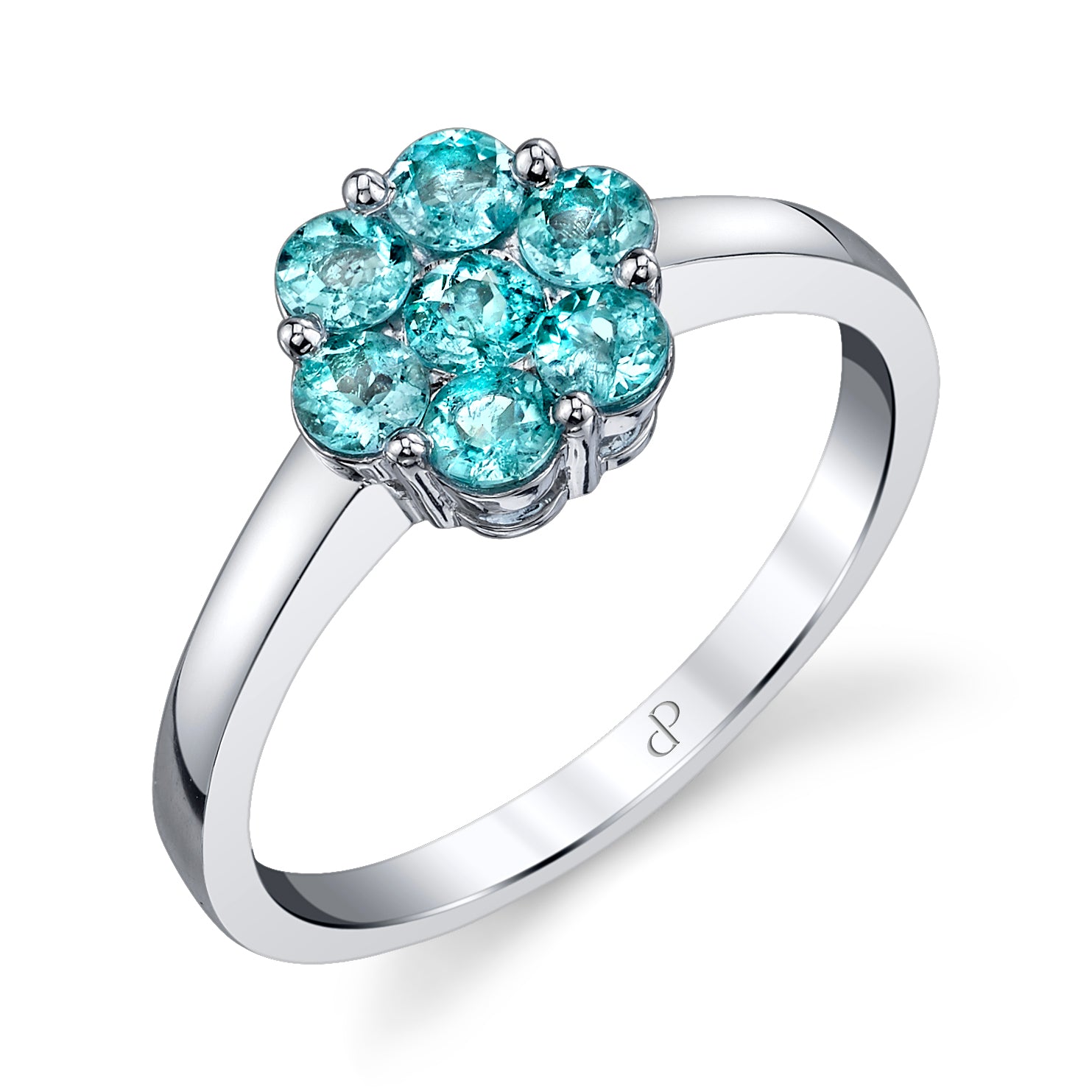
Simplicity is key, and our Adorned ring proves that. With a small cluster of glistening Paraiba stones in the center of the ring, the 18K white gold band is the center of attention here. With feminine details and eye-catching curves, Adorned is an excellent addition to your collection.
BUY NOW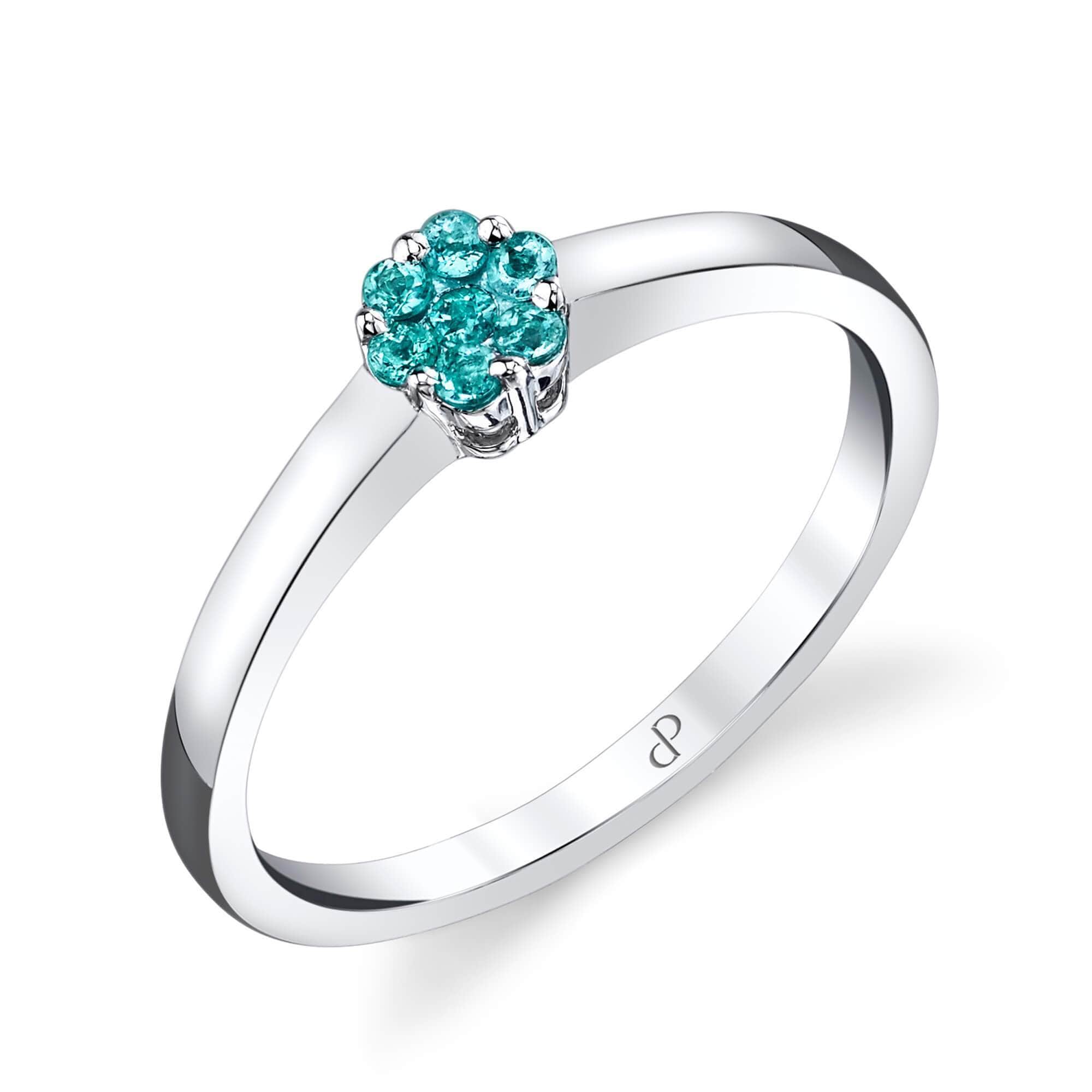
Simplicity is key, and our Adorned ring proves that. With a small cluster of glistening Paraiba stones in the center of the ring, the 18K white gold band is the center of attention here. With feminine details and eye-catching curves, Adorned is an excellent addition to your collection.
BUY NOW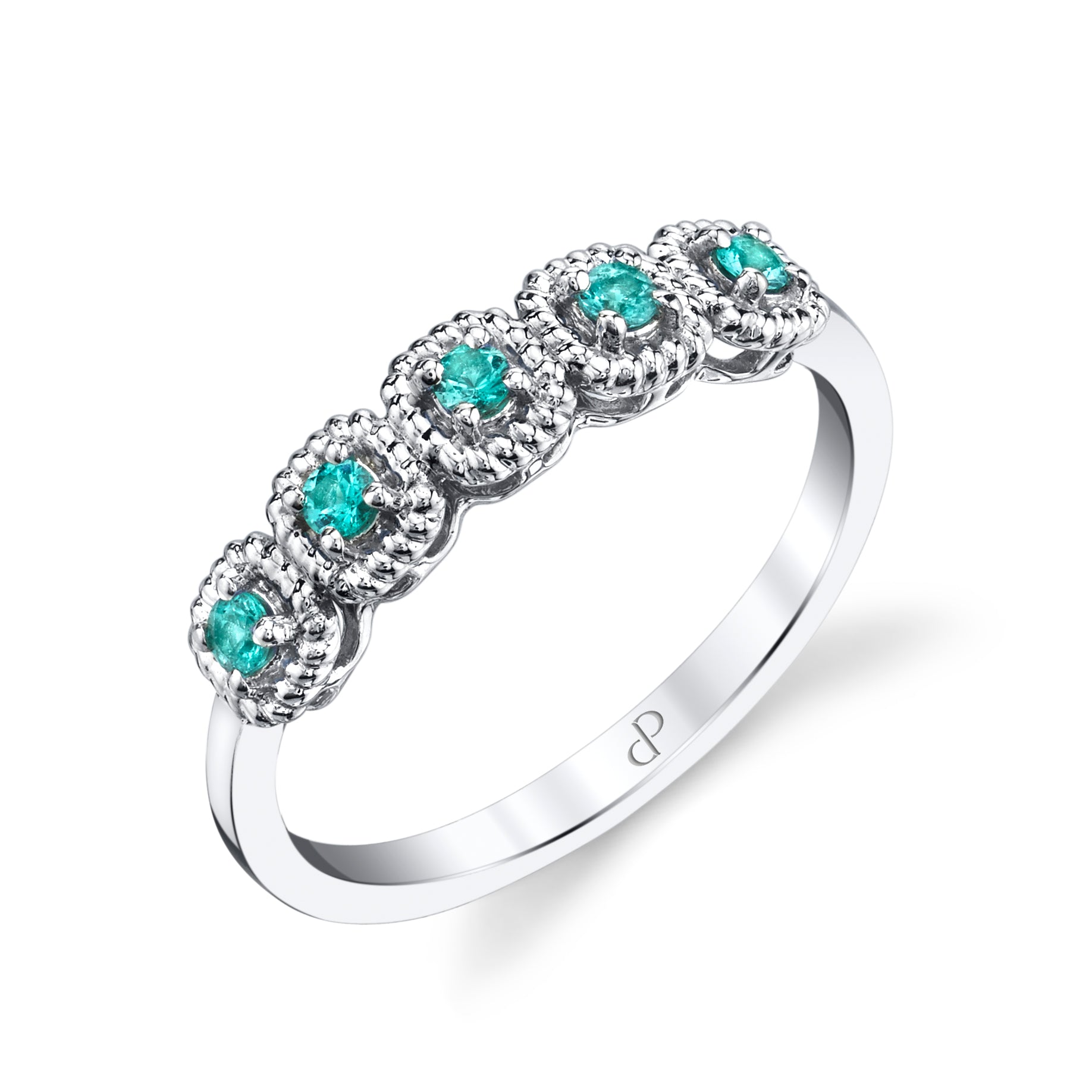
The Divergence ring captures the timelessness and beauty of metal work and natural Paraiba. Featuring five Brazilian Paraiba stones embedded around metal beads, the unique design captures the eye and takes you on a journey
BUY NOW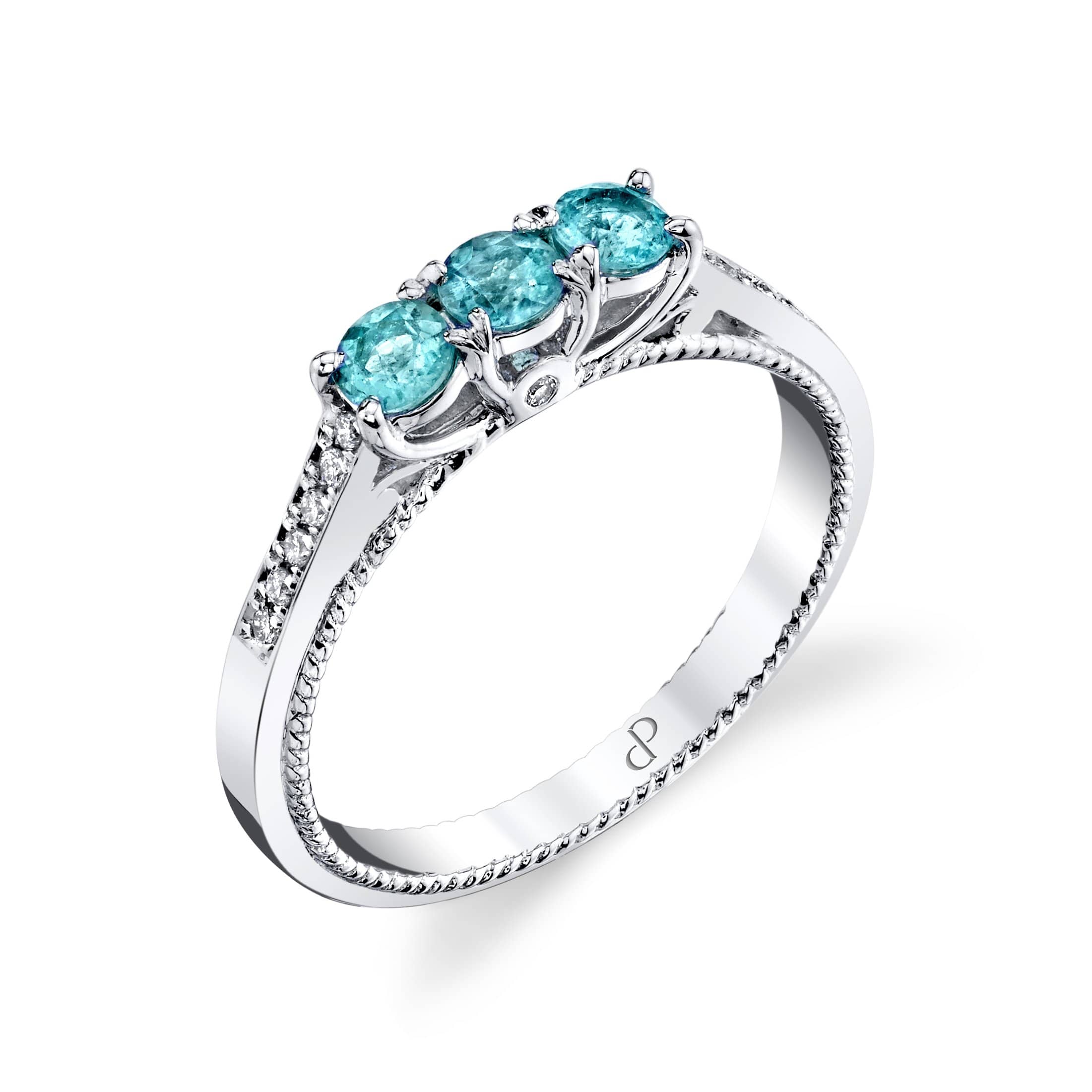
Simple and polished. The Touch of Hope boasts three Paraiba stones for an incredible simplistic design.
BUY NOW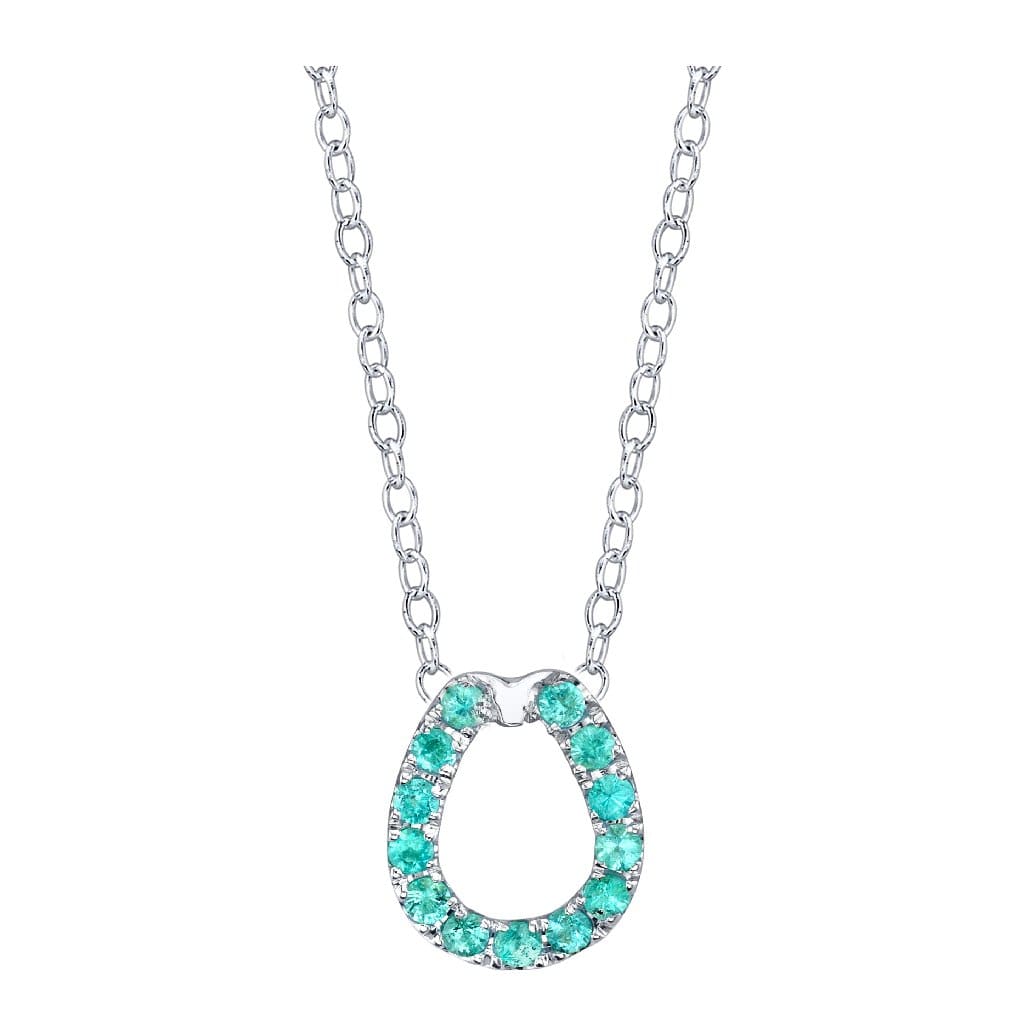
Desire. Sophistication. Quality. Our Pure Luck pendant allows you to be unapologetically you. Bask in a feeling of luxury as soon as you put on the gorgeous Paraiba stones.
BUY NOW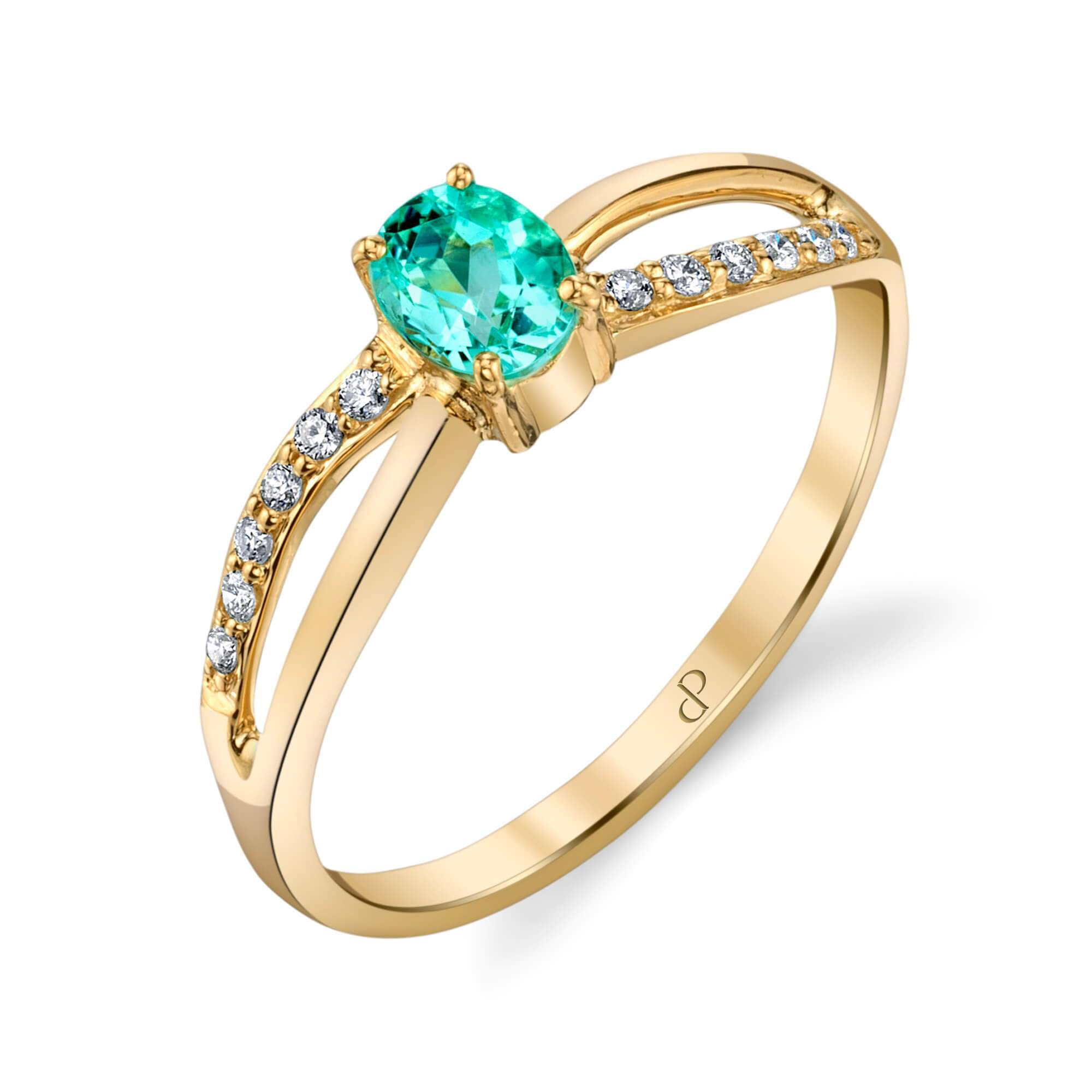
The 0.4 carat Paraiba center stone is nothing short of angelic in our 18K yellow gold Angelica ring.
BUY NOW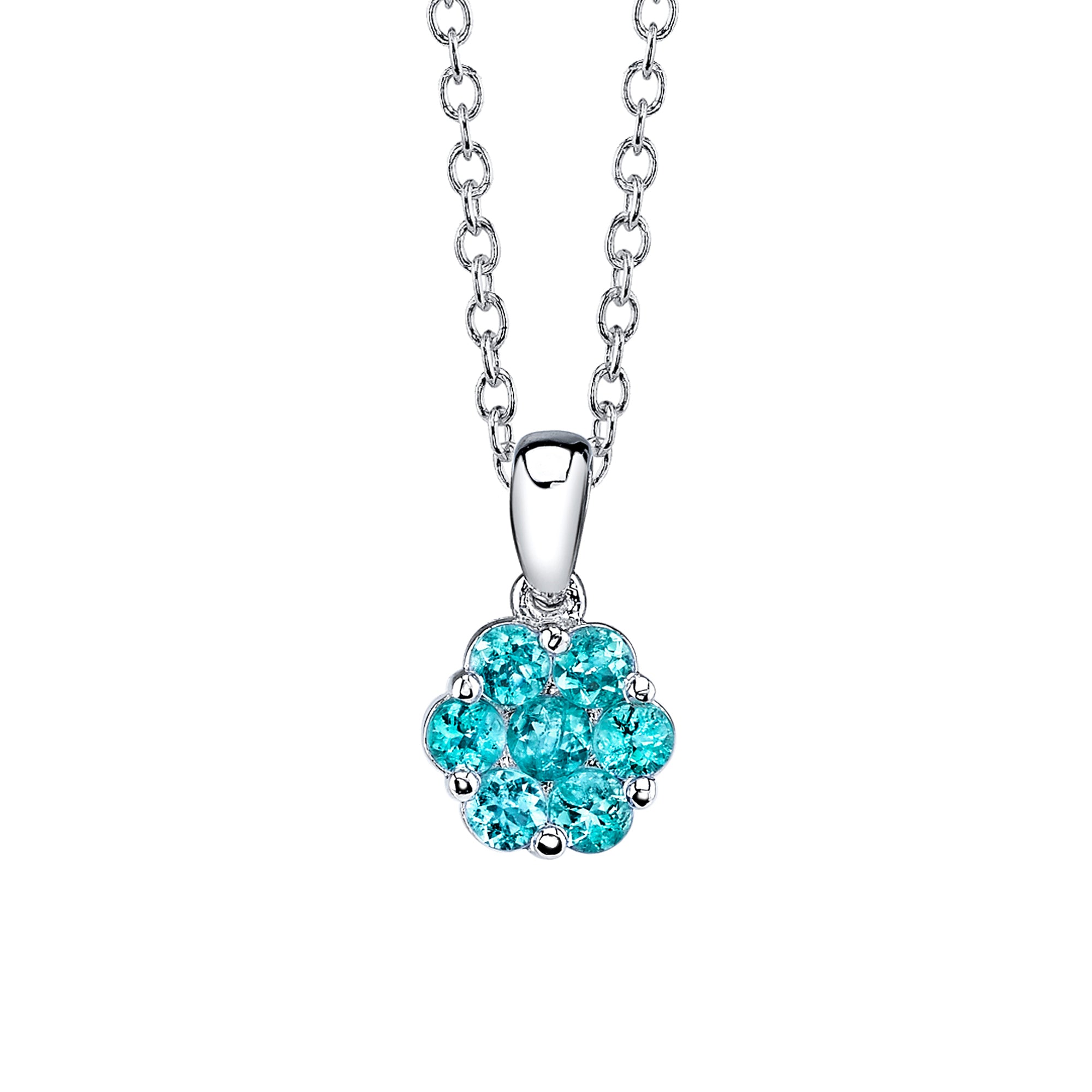
Our contemporary Floral Essence pendant tells a story of a beautiful, vibrant flower. Add elegance to your decolette with these flower-inspired jewels.
BUY NOW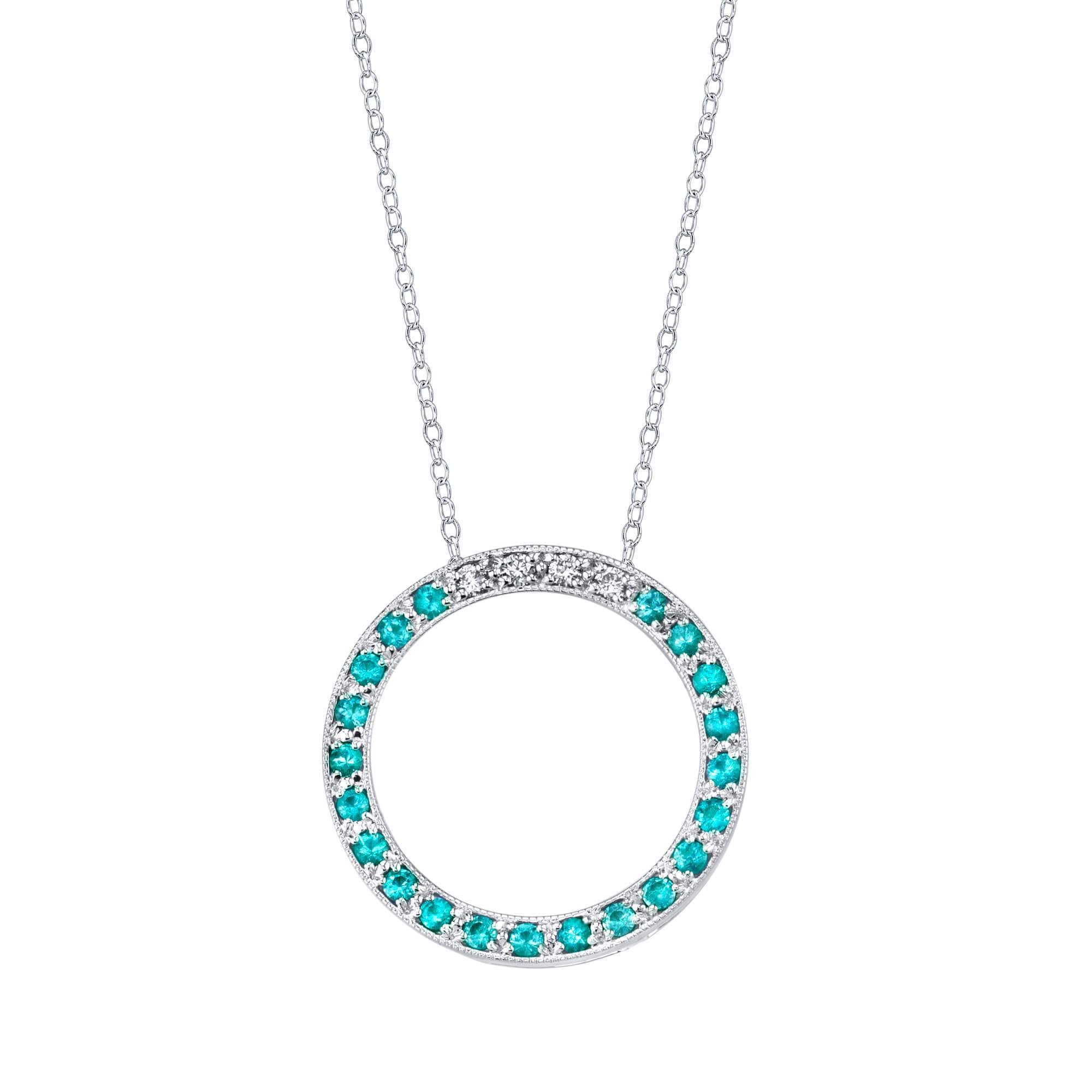
Looking for an elegant and intricate design? Look no further than the Blue Breeze pendant. This gorgeous, opulent design tells a story of beautiful Brazilian history.
BUY NOW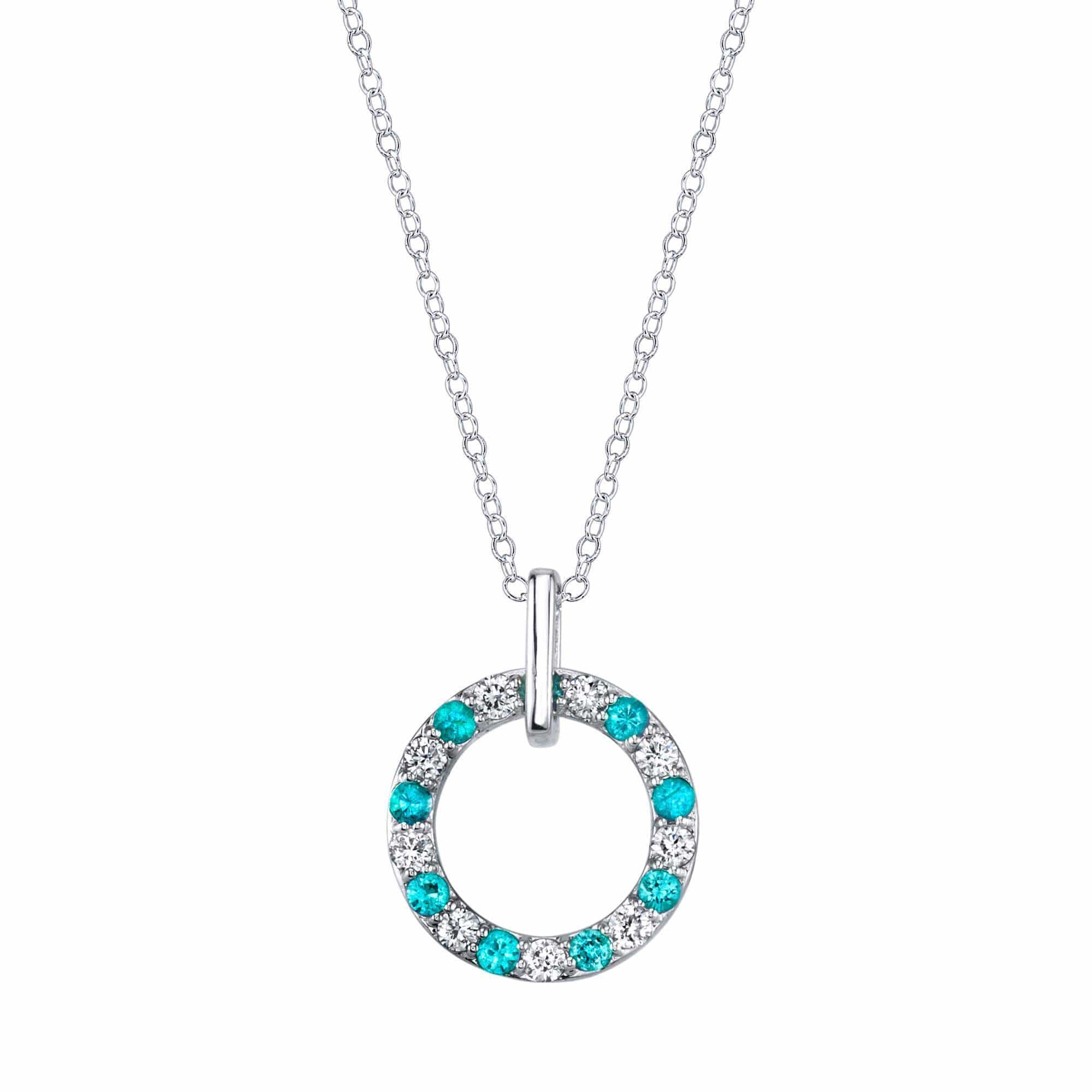
Simple yet elegant. The Ovation deserves a standing ovation. This simple pendant beautifully coordinates Paraiba stones between diamonds.
BUY NOW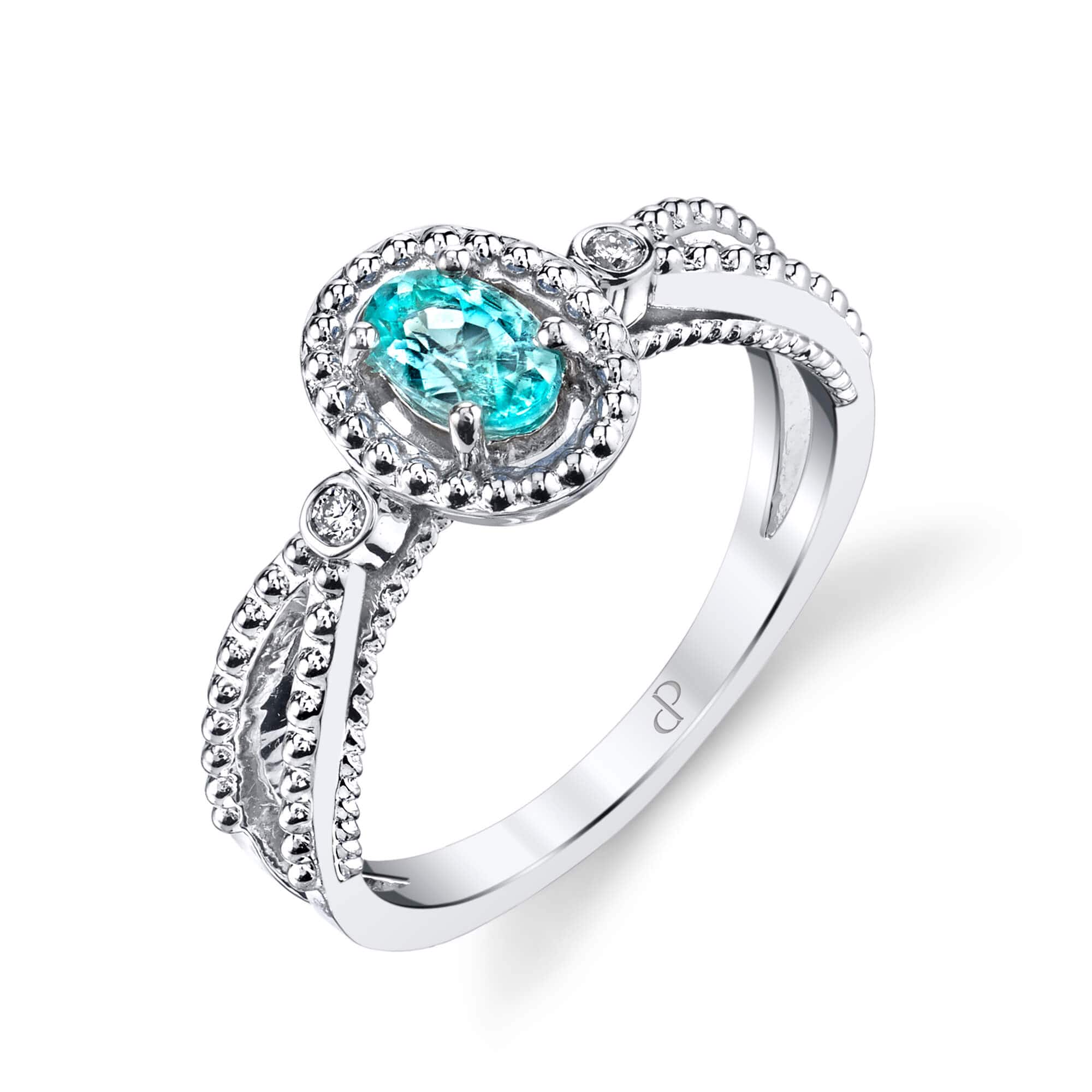
A gorgeous halo with a Paraiba stone centre stone. Simple yet elegant, the Pure Tradition will allow you to embrace your most authentic self
BUY NOW